
The Lost Art of Being Bored

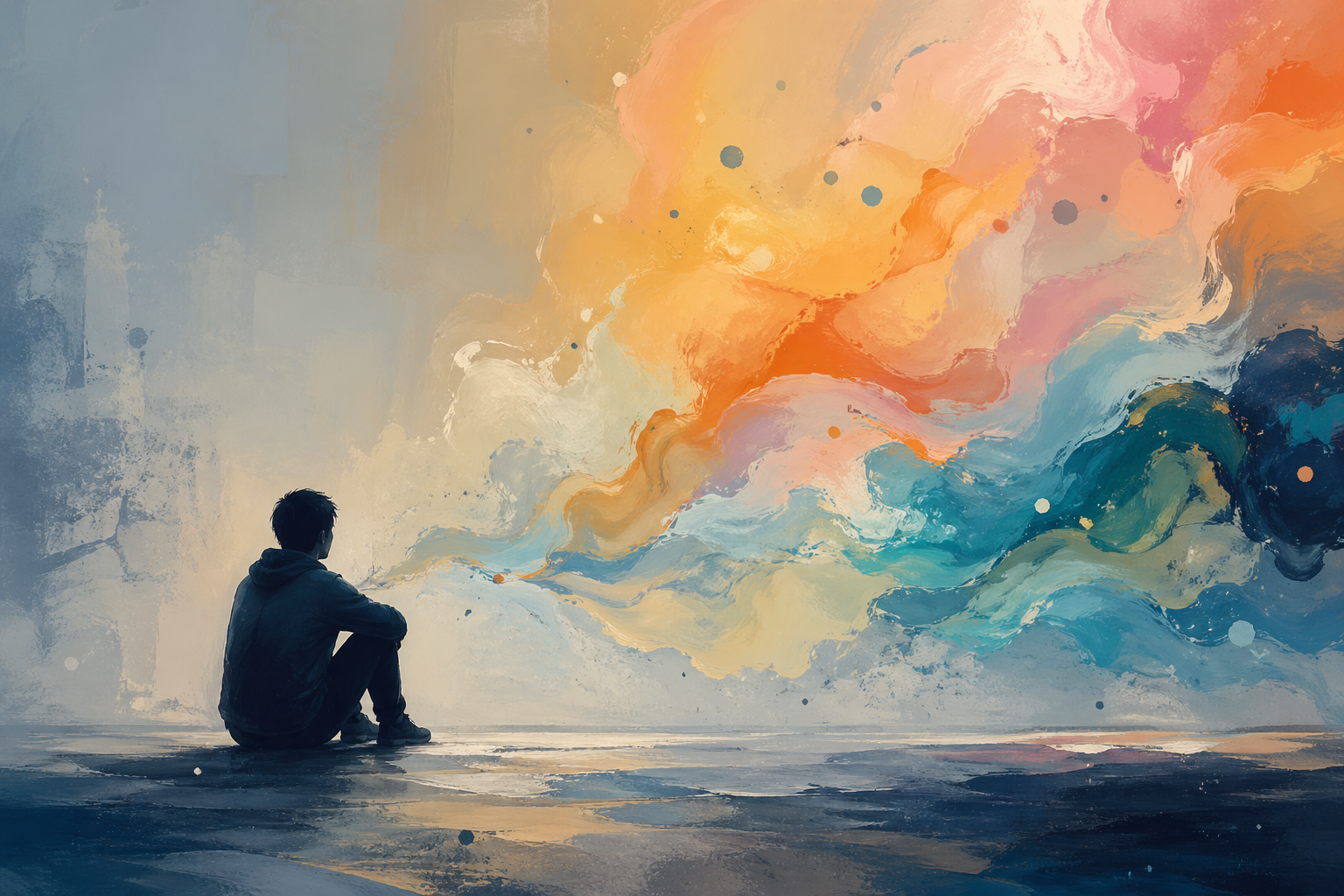
“How many times have we heard it, I am bored?”
In my case, more times than I can count. It echoes through homes, across generations, and now more than ever, across screens. Boredom has become something we rush to eliminate, almost as if it were a flaw in the system.
But here is the uncomfortable truth.
Boredom is not the problem. Our inability to sit with it is.
A Childhood Without Constant Stimulation
Growing up as a single child, boredom was not an exception. It was the default.
There were no endless notifications, no streaming platforms waiting to auto-play the next episode. If I wanted to play, I had to invent the game myself. Coloring books became worlds. Mechano sets turned into machines that existed only in my imagination. Electro kits were not just toys, they were puzzles waiting to be understood.
I was not much into reading back then. There was no structured “creative habit.” What existed instead was empty space. And that empty space demanded something from me.
It demanded that I create.
The Modern War Against Boredom
Fast forward to today, and we live in a world obsessed with productivity and stimulation.
Every idle moment is seen as an opportunity lost. Waiting in line? Pull out your phone. Sitting alone? Scroll. Feeling even a hint of restlessness? Distract yourself.
We have engineered boredom out of our lives. And in doing so, we may have removed something essential.
The irony is sharp. In chasing productivity, we have dulled one of the very states that fuels it.
Understanding Boredom
Boredom is often framed as a negative emotion. Restlessness. Irritation. A lack of purpose.
But that framing is incomplete.
Boredom is not emptiness. It is a signal.
It tells us that what we are doing is not engaging enough for our minds or not meaningful enough for our emotions. It is the mind’s way of saying: this is not it.
Instead of silencing that signal, we should be paying attention to it.
Because buried inside boredom is information.
What Boredom Actually Gives You
- Creativity Needs Space
When the brain is constantly fed with input, it has no reason to generate anything new.
But remove the noise, and something interesting happens. The mind begins to wander. It connects ideas that were never meant to meet. It explores possibilities without constraint.
This is where creativity lives.
Not in the moments of intense focus alone, but in the quiet gaps in between.
Some of the most original ideas do not come when you are trying to think. They come when you are not trying at all. - Self-Reflection Emerges in Silence
When was the last time you sat without distraction and simply thought?
No music. No screen. No input.
Boredom forces that confrontation. It brings you face to face with your own thoughts, whether you like them or not.
And that is where self-awareness begins.
You start noticing patterns. What excites you. What drains you. What you have been avoiding.
Most people are not afraid of boredom. They are afraid of what boredom might reveal. - Mental Recovery Is Not Optional
We treat the brain like a machine that should run continuously.
But just like the body, the mind needs rest.
Boredom is a form of cognitive downtime. It allows the brain to process, reset, and reorganize. Without it, we stay in a constant state of input without integration.
That is not productivity. That is overload.
And overload eventually breaks something. - Awareness Sharpens When Distractions Fade
There is a different kind of attention that emerges when you are bored.
You start noticing small things. Sounds. Movements. Patterns.
The world becomes more detailed.
This is mindfulness, not as a practice, but as a natural outcome of having nothing else to focus on.
Why We Avoid Boredom
Let us be direct.
We do not avoid boredom because it is uncomfortable. We avoid it because it exposes us.
It exposes the gap between what we are doing and what we actually want to be doing.
It exposes the noise we use to fill our time.
It exposes the absence of depth in a life optimized only for activity.
And that is not easy to confront.
So we scroll. We consume. We stay busy.
Not because we have to, but because it is easier.
Relearning How to Be Bored
This is not about abandoning productivity or rejecting technology. That would be unrealistic.
This is about reclaiming balance.
Here is where to start.
- Schedule Nothing
Block time in your day where nothing is planned. No goal. No output.
Sit. Walk. Stare out of a window.
It will feel uncomfortable at first. That is the point. - Remove Immediate Escapes
The next time boredom hits, resist the reflex to reach for your phone.
Give it a few minutes.
Let the mind struggle. Let it wander.
Something will emerge. - Allow Daydreaming
We underestimate daydreaming because it looks like inactivity.
It is not.
It is unstructured thinking. And often, it is where the best ideas begin.
The Strategic Value of Boredom
If you strip away the philosophy, there is a very practical angle here.
Boredom is a competitive advantage.
In a world where everyone is constantly distracted, the ability to sit, think, and let ideas develop is rare.
And rare skills create leverage.
Whether you are building strategy, solving complex problems, or creating something new, you need depth of thought. And depth of thought requires space.
Boredom creates that space.
Stop Fighting the Void
Boredom is not a void to be filled. It is a space to be used.
We have spent years trying to eliminate it, without realizing that it was never the enemy.
It was the foundation.
The next time you hear “I am bored,” resist the urge to fix it.
Let it sit.
Because just beneath that discomfort is something far more valuable.
The beginning of thought.
👁️ 145 views
2 Comments on “The Lost Art of Being Bored”
I think I have never been bored for one minute in my life, I don’t understand “boredom” life is too short to be bored, but I have cherished quiet times between activities and creativity in one form or another is almost always the result of those times. In this digital age those times are fewer and farther between. I miss them. Thanks for reminding me to unplug more often and create pockets of inactivity purposefully, just to breathe and reflect.
Absolutely agree with the sentiment. We are all caught up in the idea of productivity equating to “doing something”.