

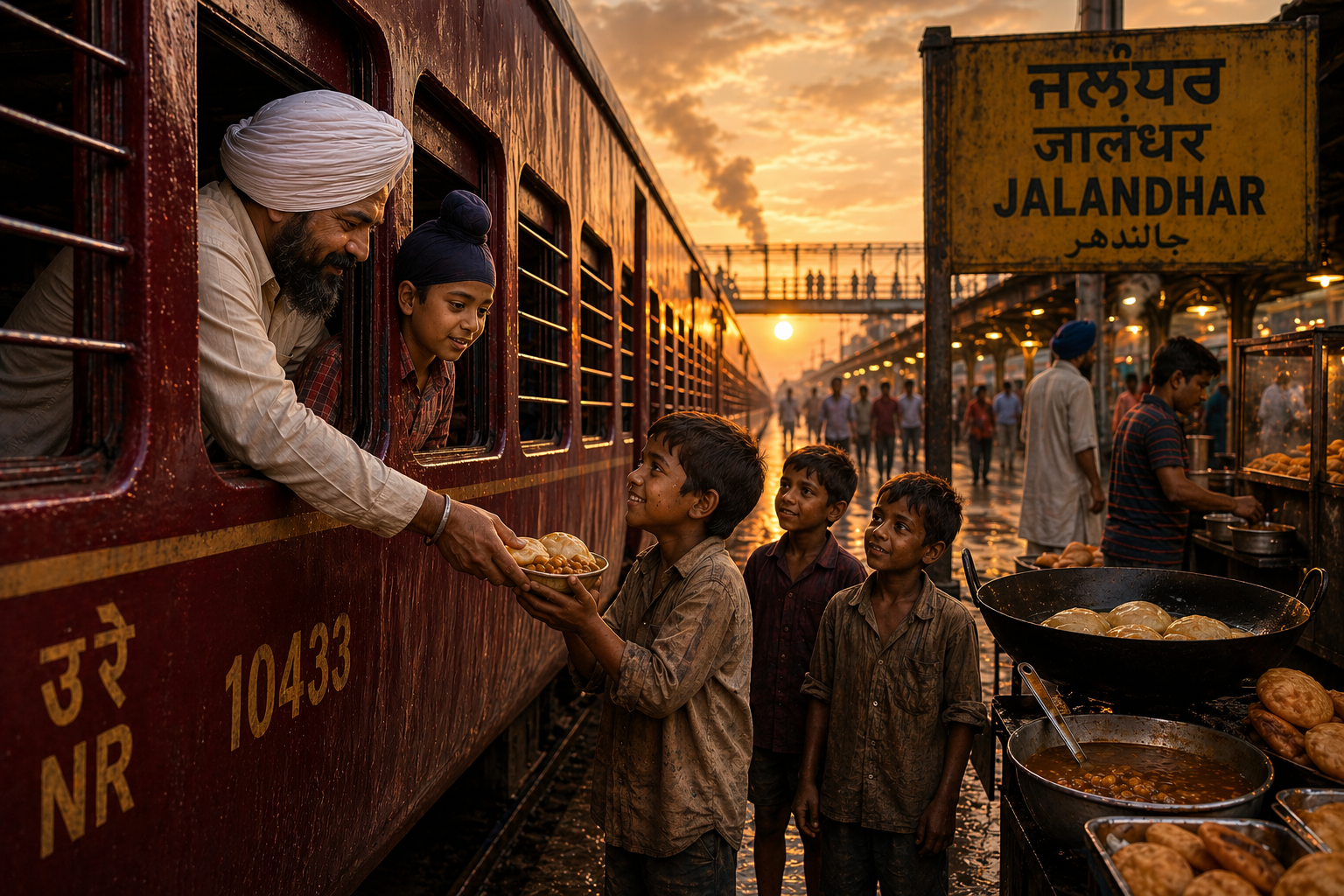
The trains of the early 1980s did not rush. They moved with a certain dignity, as if time itself had agreed to travel with them rather than against them. Nothing about them was hurried. Not the loading of trunks, not the settling of passengers, not even the long whistle that seemed to stretch into the morning air before departure.
I remember those journeys from Amritsar to Delhi as something more than travel. They were small worlds in motion.
The compartments were simple. Wooden slat seats, worn smooth by years of use, polished not by care but by countless journeys. The metal frames carried a faint smell of rust and sun-warmed iron. The windows were wide and barred with thick grills, always open, always letting the outside in. The wind rushed through constantly, carrying with it dust, the scent of earth, and sometimes the sweetness of crops ready for harvest.
There was always a mix of smells. Steel tiffins opening. Parathas wrapped in cloth. Pickles sharp with mustard oil. Thermos flasks of chai being unscrewed with a soft hiss. And underneath it all, the smell of the train itself. Old wood, metal, and motion.
Amritsar had its own taste. That is how people describe it. Not in recipes, not in ingredients, but in something less tangible. The water, they would say, carried minerals that gave food a depth you could not recreate elsewhere. Even a simple dal seemed fuller. A roti softer. A lassi richer.
But barely thirty or forty minutes out, the train would slow as it approached Jalandhar.
And Jalandhar, too, had its own taste.
You could sense the station before you saw it.
The rhythm of the train would change. The steady clatter softened into a slow, protesting roll. The wind lost its edge. And then, drifting in through the open windows, came a smell that was impossible to ignore.
Hot oil. Spices. Chickpeas simmered with onions, tomatoes, and something sharper. Something brighter.
Then the voices.
“ਪੂਰੀ ਛੋਲੇ! ਗਰਮ ਪੂਰੀ ਛੋਲੇ!”
Poori chholley! Garam poori chholley!
(Poori chholley! Hot poori chholley!)
The calls rose in rhythm, practiced, almost musical. They cut through the murmur of passengers gathering their belongings, adjusting turbans, stretching their legs after the ride.
The hawkers were always ready. They knew the schedule by heart. Before the train even stopped, their kadhais were bubbling, oil shimmering under the heat. Pooris went in as flat discs and rose within seconds, swelling into golden, puffed spheres. The smell of fresh frying dough mixed with the tang of chholley, thick and glistening, dotted with spices that clung to the surface.
Five rupees. Sometimes ten.
No bargaining. No confusion. No time for hesitation.
Young boys, thin and quick, moved between the stalls. Some barefoot, some in worn-out slippers, their heels cracked from long days on hot platforms. They carried stacks of leaf bowls, donas pressed together and filled in quick succession. Their hands moved fast, practiced, efficient.
They rushed toward the train.
The smell reached first.
It slipped through the bars, curled into the compartment, wrapped itself around the senses. Conversations paused. Heads turned. Even those who had just eaten leaned forward slightly.
Hands stretched out through the iron grills.
Coins passed out.
Food passed in.
And for ten short minutes, the platform turned into a living, breathing marketplace. Voices layered over each other. Oil crackled. Steel utensils clanged. The whistle of another distant train floated through.
I must have been thirteen or fourteen.
Old enough to begin noticing the world, but still learning how to understand it.
My father sat beside me, as he always did. Calm, composed, as though he carried the rhythm of the train within him. In his hand, he already had the exact change. He never searched for coins. He always knew.
As the train stopped, he leaned out and called one of the boys.
Within seconds, a dona of poori chholley rested on the seat between us. The pooris were still warm, soft to the touch with a slight crispness at the edges. The chholley glistened, thick, fragrant, carrying a sharper tang than what I was used to in Amritsar. The smell rose gently, inviting, comforting.
But I did not reach for it.
My eyes had drifted somewhere else.
A little away from the chaos, under a tall cast iron pillar whose paint had chipped away in places, sat two boys. They were younger than me, though their faces carried a kind of weariness I had never known. Their clothes were loose, faded beyond color. One had a tear at the shoulder. The other’s sleeves were uneven.
Their lips were cracked, dry.
But it was their eyes that held me.
They were watching the hawkers. Not casually. Not with curiosity. But with a steady, quiet hunger.
I kept looking.
My father noticed.
He always noticed.
He placed his hand gently on my shoulder. I turned, expecting him to say something about eating before the train started moving again.
Instead, he followed my gaze.
He said nothing for a few seconds.
Then he leaned out again.
“ਓਏ,” (Oye) he called softly, motioning with his hand.
(Hey, you there.)
The boys looked around, unsure if they were being called. When they realized it was for them, they hesitated before slowly walking closer.
When they stood near the window, my father asked,
“ਕਿੰਨੇ ਜਣੇ ਹੋ ਤੁਸੀਂ?”
Kinne jaṇe ho tusĩ?
(How many of you are there?)
“ਪੰਜ,” (Panj) one of them said quietly.
(Five.)
My father nodded.
“ਬਾਕੀ ਨੂੰ ਵੀ ਬੁਲਾ ਲਓ।”
Baaki nu vi bula lao.
(Call the others as well.)
They ran back, their bare feet slapping lightly against the platform. Within moments, three more boys appeared, gathering near the window. All of them thin. All of them silent. All of them watching.
My father smiled.
“ਭੁੱਖ ਲੱਗੀ ਏ?”
Bhukh laggi ae?
(Are you hungry?)
They nodded, almost in unison.
“ਪੂਰੀ ਛੋਲੇ ਖਾਓਗੇ?”
Poori chholley khaoge?
(Will you eat poori chholley?)
This time there was no hesitation. Their eyes answered before their heads did.
My father raised his hand again and called the hawker.
“ਹੋਰ ਆੱਠ ਬਣਾ ਦੇ,” he said.
Hor aath bana de.
(Make eight more.)
The hawker moved quickly. Pooris puffed in the hot oil. The chholley was scooped generously. Leaf bowls filled, stacked, passed.
“ਇਨ੍ਹਾਂ ਨੂੰ ਦੇ ਦਿਓ,” my father said.
Inhan nu de dio.
(Give these to them.)
The boys took the food carefully, almost cautiously, as if afraid it might disappear.
And then something changed.
Not suddenly. Not loudly.
But gently.
Their faces lifted. Their eyes brightened. Smiles appeared, small at first, then wider. White teeth against dust-streaked faces. A quiet joy that did not need words.
My father added, almost as an afterthought,
“ਤਿੰਨ ਘਰ ਲੈ ਜਾਈਂ।”
Tinn ghar lai jaaĩ.
(Take three home with you.)
The whistle blew again.
A long, rising sound that cut through everything.
The train shuddered, then began to move.
Slowly at first. Then steadily.
The boys walked alongside for a few steps, holding their food carefully. One of them looked up and folded his hands. Another waved. I waved back.
The platform began to slide away.
The voices faded.
The smell lingered for a few moments longer, then dissolved into the rushing wind.
The fields of Punjab opened up again. Wide stretches of green. Mustard flowers in the distance. Occasional trees standing alone, casting long shadows.
The closer ones rushed past in a blur of green and brown. The distant ones seemed almost still.
My father pointed outside.
“ਵੇਖ,” he said.
(Vekh)
(Look.)
“ਨੇੜੇ ਵਾਲੀਆਂ ਚੀਜ਼ਾਂ ਤੇਜ਼ ਦੌੜਦੀਆਂ ਲੱਗਦੀਆਂ ਨੇ, ਦੂਰ ਵਾਲੀਆਂ ਹੌਲੀ।”
Nere waliyan cheezaan tez daurdiyaan lagdiyan ne, door waliyan hauli.
(Things closer seem to move faster, and those farther away seem slower.)
I nodded, watching the fields.
He was quiet for a moment.
Then he said,
“ਜ਼ਿੰਦਗੀ ਵੀ ਐਦਾਂ ਹੀ ਹੁੰਦੀ ਏ।”
Zindagi vi aidaan hi hundi ae.
(Life is like that too.)
I turned toward him.
“ਜੋ ਨੇੜੇ ਹੋਵੇ. ਭੁੱਖ, ਦਰਦ, ਕਿਸੇ ਦੀ ਲੋੜ. ਓ ਸਭ ਤੋਂ ਤੇਜ਼ ਆਉਂਦੀ ਏ. ਪਹਿਲਾਂ ਓਹਨਾਂ ਨੂੰ ਵੇਖਣਾ ਚਾਹੀਦਾ ਏ।”
Jo nere hove. Bhukh, dard, kise di lorh. Oh sab ton tez aundi ae. Pehlan ohna nu vekhna chaahida ae.
(What is close. Hunger, pain, someone’s need. Those come at you the fastest. You must see them first.)
The train moved steadily forward.
“ਦੂਰ ਵਾਲੀਆਂ ਗੱਲਾਂ. ਕੰਮ, ਸਪਨੇ, ਯੋਜਨਾਵਾਂ. ਓ ਕਿਤੇ ਨਹੀਂ ਜਾਣੀਆਂ. ਓਹਨਾਂ ਲਈ ਵੇਲਾ ਮਿਲ ਜਾਂਦਾ ਏ।”
Door waliyan gallan. Kaam, sapne, yojnaavan. Oh kithe nahi jaaniyan. Ohna lai vela mil jaanda ae.
(Things farther away. Work, dreams, plans. They are not going anywhere. You will find time for them.)
He looked out again, toward the distance we had just left behind.
“ਪਰ ਜੇ ਨੇੜੇ ਵਾਲੀ ਚੀਜ਼ ਨੂੰ ਅੱਖੋਂ ਗੁਆ ਦਿੱਤਾ. ਫਿਰ ਓ ਮੌਕਾ ਮੁੜ ਨਹੀਂ ਆਉਂਦਾ।”
Par je nere wali cheez nu akkhõ gawa ditta. Phir oh mauka murh nahi aunda.
(But if you miss what is near. That moment does not return.)
I sat quietly.
The wind rushed past. The train hummed. Somewhere in the distance, a farmer’s call carried faintly across the fields.
Perhaps my father thought I was not listening.
But I was.
Years later, I would forget many things.
The names of passengers. The exact timings. The conversations that filled those compartments.
But not that day.
Not that station.
Not those boys.
Not the smell of hot pooris rising into the air.
Not the way my father held out his hand without hesitation.
And not what he taught me that day.
Some things in life move slowly. Those can wait.
But what is near comes fast.
And if you see it in time, you have a chance to do something that matters.
Some journeys are measured in miles.
Others, in moments.
That day, somewhere between Amritsar and Jalandhar, I travelled much farther than I realized.
Postscript
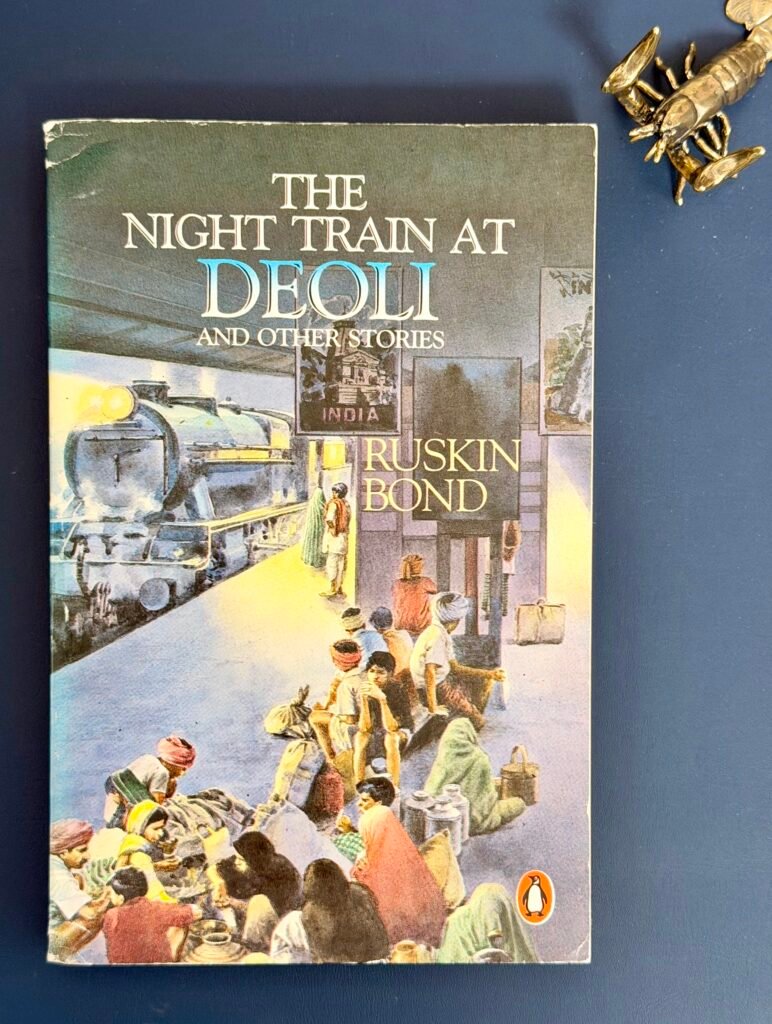
This story draws its inspiration from the quiet, observant storytelling of writers I have long admired, especially Ruskin Bond and R. K. Narayan. Their ability to take simple moments and turn them into something lasting has always stayed with me. In particular, Night Train at Deoli has lingered in my mind for years. A fleeting halt at a small station. A brief encounter. A memory that refuses to fade. That story, in many ways, planted the seed for this one.
I also want to acknowledge my colleague and friend, Niladri, a self-published author whose writing carries a similar sensibility. What stands out in his work is the attention to texture. The sounds, the colors, the smells. He does not just tell a story, he places you inside it. That approach has influenced how I wanted this story to feel. At its core, this is a simple incident. A moment on a train. A small act. A conversation that lingered longer than the journey itself.
The rest came from layering. From taking a prompt and asking what it looked like, what it sounded like, what it smelled like. From slowing the moment down enough that it could be lived again.
If it made you feel like you were there, even for a brief moment, then it has done its job.
👁️ 516 views
1 Comment on “Five Rupees, Eight Meals, and a Lesson for Life”
Wonderful, it reminded me about my childhood journeyes. Ask Gitanjali about the scene at Jalandhar, it was the same. She always used to have puri and cholle at Jalandhar. Your style of writing is very good. Sometimes I used to think like what you wrote. You brought my childhood journeyes very close. Keep it up.