
The Song That Brought Memories Back Into My Heart

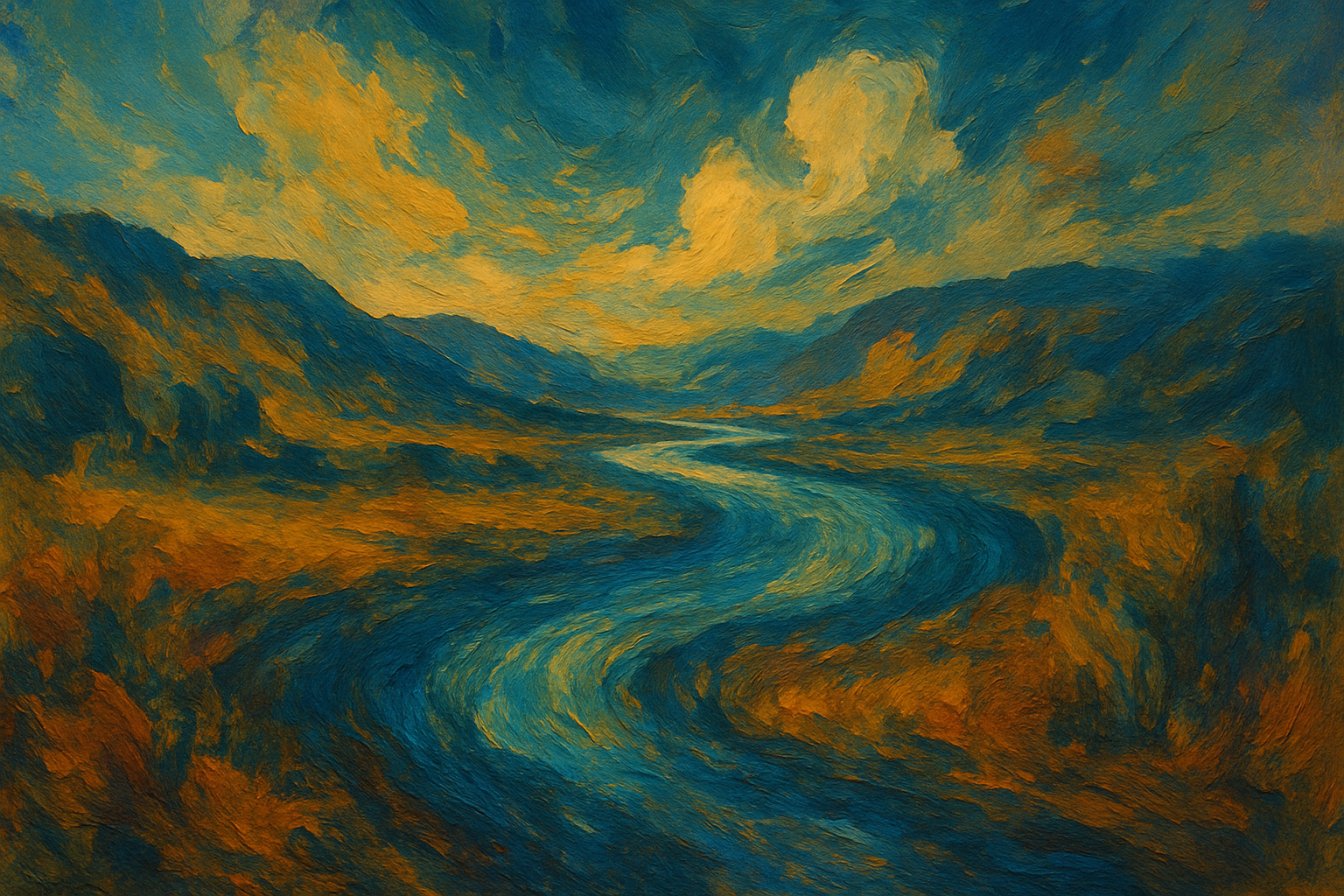
Many years ago, when I first heard Ravi by Sajjad Ali, it stirred something deep inside me, something I couldn’t name back then. I liked the melody, the mood, the way it lingered. But I don’t think I truly understood it. Not the poetry, not the metaphor, not the ache beneath the words.
Over the years, I’ve listened to this song hundreds of times. And somewhere along that journey, the meaning began to unfold. The lyrics started revealing their weight. The imagery began to feel personal. And slowly, almost quietly, Ravi rekindled a connection to my own identity that I didn’t even realize had dimmed.
I’m writing this now in November, on a quiet evening, after YouTube’s algorithm decided, once again, to play the song for me.
And once again, it pulled me back to myself.
Every now and then, a song comes along that cuts through the noise – not because it is loud, but because it reminds you of something you didn’t know you had forgotten. Ravi, by Sajjad Ali, has become that song for me.
Most people first encountered the track on Instagram Reels, paired with scenic clips and slow-motion moments. But behind the aesthetic trend lies something far deeper. This is a song about longing, identity, memory, and the invisible geography that shapes who we become. It’s a love letter – not just to a person, but to a sense of belonging that centuries of history, borders, and migration have complicated.
For me, Ravi is not just a musical piece. It feels like a conversation with the part of me that still stands on the soil of Punjab – a soil my ancestors walked, a soil whose culture shaped the stories I grew up with, even as my own life carried me oceans away.
When I first read the meaning behind the lyrics, something inside me stopped. I didn’t expect a viral reel to stir the old currents. But Ravi did, and it did it with an honesty that was disarming.
First, here are the lyrics with translation, followed by the reason this song feels personal, almost uncomfortably so.
Lyrics & Translation
جے اِتھوں کدی راوی لنگھ جاوے، حیاتى پُنج آبی بن جاوے
ਜੇ ਐਥੋਂ ਕਦੀਂ ਰਾਵੀ ਲੰਘ ਜਾਵੇ, ਹਯਾਤੀ ਪੁੰੱਜ ਆਬੀ ਬਣ ਜਾਵੇ
Je aithon kadi Ravi langh jave, hayati punjj aabi ban jave
If the Ravi were to flow through here, my life would feel full again.
میں بیڑیوں ہزار توڑ لاں، میں پانی چوں سانس نچوڑ لاں
ਮੈਂ ਬੇੜੀਆਂ ਹਜ਼ਾਰ ਤੋੜ ਲਾਂ, ਮੈਂ ਪਾਣੀ ਚੋਂ ਸਾਹ ਨਿਚੋੜ ਲਾਂ
Main bediyan hazaar tod lan, main pani cho saah nichod lan
I would break a thousand chains, and squeeze breath itself from its waters.
جے اِتھوں کدی راوی لنگھ جاوے ہو
ਜੇ ਐਥੋਂ ਕਦੀਂ ਰਾਵੀ ਲੰਘ ਜਾਵੇ ਹੋ
Je aithon kadi Ravi langh jave ho
If only the Ravi would flow through here…
جے راوی وچ پانی کوئی نئیں، تے اپنی کہانی کوئی نئیں
ਜੇ ਰਾਵੀ ਵਿੱਚ ਪਾਣੀ ਕੋਈ ਨਹੀਂ, ਤੇ ਆਪਣੀ ਕਹਾਣੀ ਕੋਈ ਨਹੀਂ
Je Ravi vich paani koi nai, te apni kahani koi nai
If the Ravi holds no water, then my own story holds nothing.
جے سنگ بلیئاں کوئی ناں، تے کسے نوں سنانی کوئی نئیں
ਜੇ ਸੰਗ ਬੇਲੀਆ ਕੋਈ ਨਹੀਂ, ਤੇ ਕਿਸੇ ਨੂਂ ਸੁਣਾਨੀ ਕੋਈ ਨਹੀਂ
Je sang beliya koi na, te kise nu sunani koi nai
And if no companions walk beside me, then who is left to hear my tale?
اَکھاں چ دریّا گھول کے، میں زخمّاں دی تھاں تے روڑ لاں
ਅੱਖਾਂ ਚ ਦਰਿਆ ਘੋਲ ਕੇ, ਮੈਂ ਜ਼ਖਮਾਂ ਦੀ ਥਾਂ ਤੇ ਰੋੜ ਲਾਂ
Akhan ch dariya ghol ke, main zakhma di than te rod lan
I would stir rivers in my eyes, and let them wash over my wounds.
جے اِتھوں کدی راوی لنگھ جاوے ہو
ਜੇ ਐਥੋਂ ਕਦੀਂ ਰਾਵੀ ਲੰਘ ਜਾਵੇ ਹੋ
Je aithon kadi Ravi langh jave ho
If only the Ravi would flow through here…
ایہ کیسی مجبوری ہو گئی، کہ سجنّا توں دوری ہو گئی
ਐਹ ਕੈਸੀ ਮਜ਼ਬੂਰੀ ਹੋ ਗਈ, ਕੇ ਸੱਜਣਾ ਤੋਂ ਦੂਰੀ ਹੋ ਗਈ
Eh kaisi majboori ho gayi, ke sajna ton doori ho gayi
What helplessness is this, that I am kept so far from the one I love?
تے ویلیاں دے نال وَگدی، ایہ جِند کدوں پوری ہو گئی
ਤੇ ਵੇਲਿਆਂ ਦੇ ਨਾਲ ਵਗਦੀ, ਐਹ ਜਿੰਦ ਕਦੋਂ ਪੂਰੀ ਹੋ ਗਈ
Te velyan de nal vagdi, eh jind kadon poori ho gayi
Life drifted away with time; I never realized when it emptied out.
بیگانیاں دی راہ چھڈ کے، میں اپنی مُہر موڑ لاں
ਬੇਗਾਨਿਆਂ ਦੀ ਰਾਹ ਛੱਡ ਕੇ, ਮੈਂ ਆਪਣੀ ਮੁਹਰ ਮੋੜ ਲਾਂ
Beganeya di raah shod ke, main apni muhar mod lan
I would abandon the paths of strangers and turn back toward my own.
جے اِتھوں کدی راوی لنگھ جاوے ہو
ਜੇ ਐਥੋਂ ਕਦੀਂ ਰਾਵੀ ਲੰਘ ਜਾਵੇ ਹੋ
Je aithon kadi Ravi langh jave ho
If only the Ravi would flow through here…
Why Sajjad Ali’s Ravi Speaks to Me
There’s a line in the song that hit me harder than I expected, especially once I understood it correctly:
“Hayati punjj aabi ban jave.”
Life becomes complete, abundant, whole from the water, culture, and memories of home.
That sentiment – that one river, one symbol of home, one thread of identity – can make life feel whole… I felt that.
Because for years, I’ve lived a life defined by movement. New cities. New careers. New roles. I’ve built strategies for global technology companies, navigated corporate decisions, and carried the weight of responsibilities that rarely pause for breath. On paper, this is a modern, successful life.
But underneath it, there has always been an unspoken distance – a separation from the land, the culture, the history that shaped my earliest sense of self.
When Sajjad Ali sings about the Ravi flowing through the landscape and turning his life “punjj aabi,” I don’t hear a geographical metaphor. I hear the quiet ache of identity felt by anyone who has lived far from their roots long enough to question what remains of the original self.
The River as a Mirror
The Ravi is not just a river in this song.
It is a metaphor for belonging, memory, ancestry, a story that precedes you, and a story you hope will outlive you.
There is something brutally honest in these lines:
“Je Ravi vich paani koi nai, te apni kahani koi nai.”
(If there is no water in the Ravi, I have no story to claim).
It stays with you. Because it forces the question:
What is the “water” in my own river? What is the thing that gives my story its shape?
As life becomes busier, the deeper identity often gets buried under the day-to-day pressures. This song reminded me that unless I stay connected to my roots, everything else risks feeling hollow. Legacy without source is just noise.
The Diaspora’s Heartbeat
Another line carries a quiet punch:
“Eh kaisi majboori ho gayi, ke sajna ton doori ho gayi.”
(How helpless it feels to be far from my beloved).
You can interpret “beloved” literally.
But for people like me, living far from where our stories began, the beloved can be a homeland, a language, childhood memories, the smell of rain on Punjabi soil, and the stories our grandparents told – the cultural confidence that comes from being surrounded by your own.
That distance is its own helplessness.
Ravi captures that ache without being melodramatic. It simply states what is true: distance shapes us, even when we pretend it doesn’t.
Forging My Own Path
The line that ties the entire song – and my response to it – together is this:
“Beganeya di raah shod ke, main apni muhar mod lan.”
(I would stop walking the paths of strangers and carve my own).
This resonates deeply because much of my life has been about doing exactly that.
Every role I’ve taken, every shift in responsibility, every project I’ve led – they were all part of a path I had to carve myself, often with little precedent and no guidebook.
But what the song reminded me of is that forging a path is not just about ambition. It is also about turning toward your identity, acknowledging where your story truly begins, understanding what “water” your life needs, recognizing that belonging is not optional – it is foundational.
Listening to Ravi, I felt something tighten and loosen at the same time.
A tug from home, and a release from the pressure to outrun my own origins.
Why This Song Will Stay With Me
Ravi isn’t just a song about a river.
It’s a reminder that identity flows – quietly, constantly – and it shapes everything we do, whether we acknowledge it or not. It reminded me of my roots, the narrow bazaars of my hometown, of the stories carried across generations, of what I owe to my past, and of why belonging matters, especially when life becomes chaotic.
This song is a conversation with memory, but also a wake-up call about legacy.
A reminder that if we let the “water” dry out – the culture, the language, the sense of home – then our story loses its center.
For me, listening to Ravi was like finding a small part of Punjab flowing through the speakers, insisting gently:
“This is still yours.”
And sometimes, that is all you need – a single reminder that the river still flows, even when you are far from its banks.
Links to other stories of Punjab:
- Echoes of the Five Rivers: A Journey Through Punjabi Folklore
- The Rise and Fall of the Sikh Empire
- The Search for Sattu: A Summer Tradition Rediscovered
- Ishtihaar (Ikk Kudi) by Shiv Kumar Batalvi
👁️ 127 views
Share this post :
Archives
| M | T | W | T | F | S | S |
|---|---|---|---|---|---|---|
| 1 | 2 | 3 | 4 | 5 | ||
| 6 | 7 | 8 | 9 | 10 | 11 | 12 |
| 13 | 14 | 15 | 16 | 17 | 18 | 19 |
| 20 | 21 | 22 | 23 | 24 | 25 | 26 |
| 27 | 28 | 29 | 30 | |||
Categories
Missives from Planet Nagi
Sign up for our newsletter.
Get insightful stories, updates, and inspiration delivered straight to your inbox. Be the first to know what’s new and never miss a post!