

👁️ 12 viewsHow Dragons found me: My lifelong fascination with them
Long before dragons became monsters, symbols, or literary figures, they were simply there—woven into childhood memory, folklore, and wonder. This essay traces the quiet origins of a lifelong fascination.

👁️ 19 viewsVenus shines with beauty, but burns with truth
Venus shines as the brightest object in our sky, a symbol of beauty and grace. Yet beneath its radiant clouds lies a world of crushing pressure, searing heat, and acid rain. This essay explores how Venus, like Aphrodite, embodies a timeless paradox—beauty that captivates from afar, but reveals a far more dangerous truth up close.
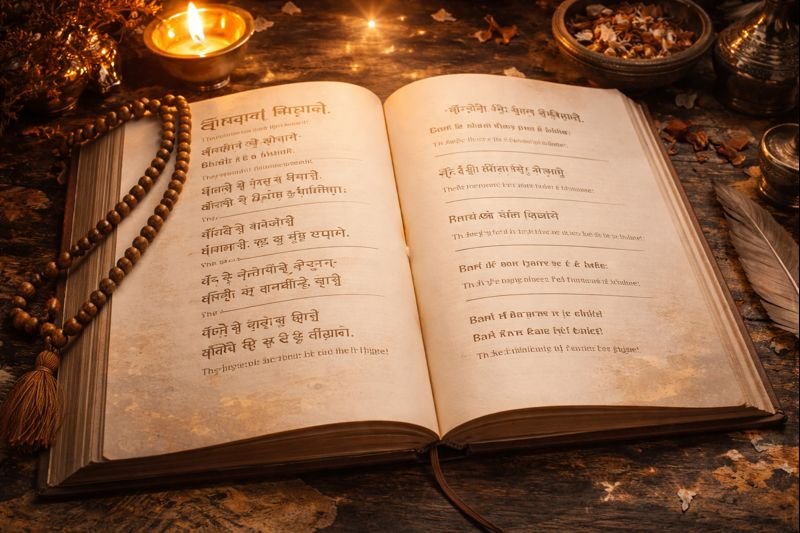
👁️ 33 viewsSatinder Sartaaj’s Sai: The Song, Line by Line
This final movement steps aside and lets the song speak.
What follows is Sai itself—presented line by line in Gurmukhi, Roman Punjabi, and English, accompanied by brief annotations that illuminate without enclosing meaning. This is not interpretation as conclusion, but accompaniment: a slow walk through the words of a song meant to be returned to, repeated, and held—like a prayer that does not seek an end.

👁️ 39 viewsThe One Change Tolkien Made to The Hobbit That Changed Everything
Most readers think they know The Hobbit. They don’t. Tolkien rewrote a crucial chapter years later, transforming the meaning of the Ring, Bilbo’s character, and the foundation of Middle-earth itself.

👁️ 346 viewsWhen Sai Falls Silent: What the Song Leaves Behind
Some songs end when the sound fades.
Sai does not.
This fifth movement reflects on what remains after the song—how Sai continues to work quietly on the listener, shaping attention, softening urgency, and resisting resolution. It is a meditation on listening as practice, on non-arrival, and on the subtle ways remembrance stays with us long after the final note.
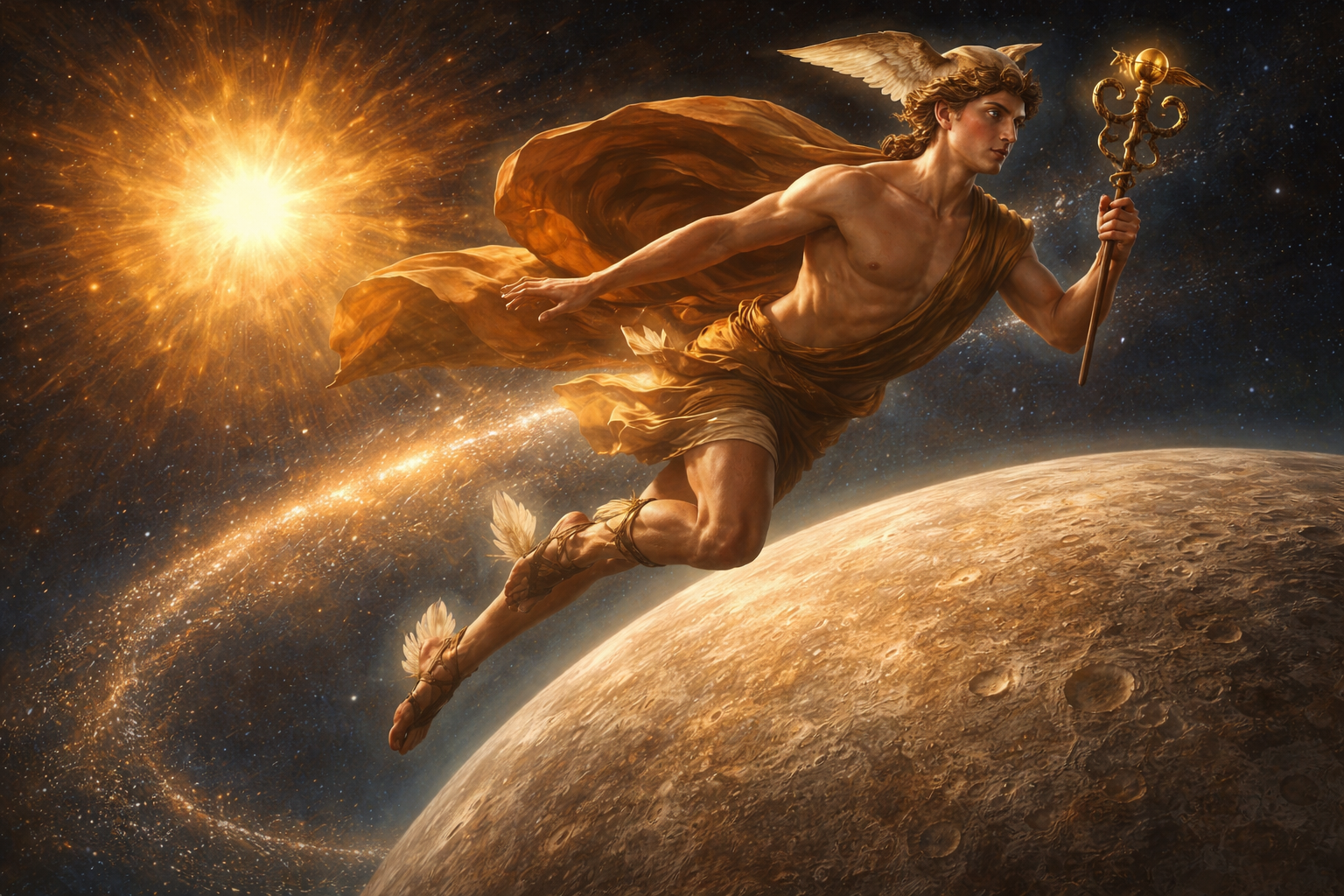
👁️ 40 viewsThe fastest messenger of Olympus still races through the heavens
Mercury, the smallest and fastest planet in our solar system, mirrors the speed and cunning of Hermes, the swift messenger of the gods. From ancient myth to modern astronomy, the story of Mercury reveals how the movement of a planet echoes the character of a god who never stood still.