





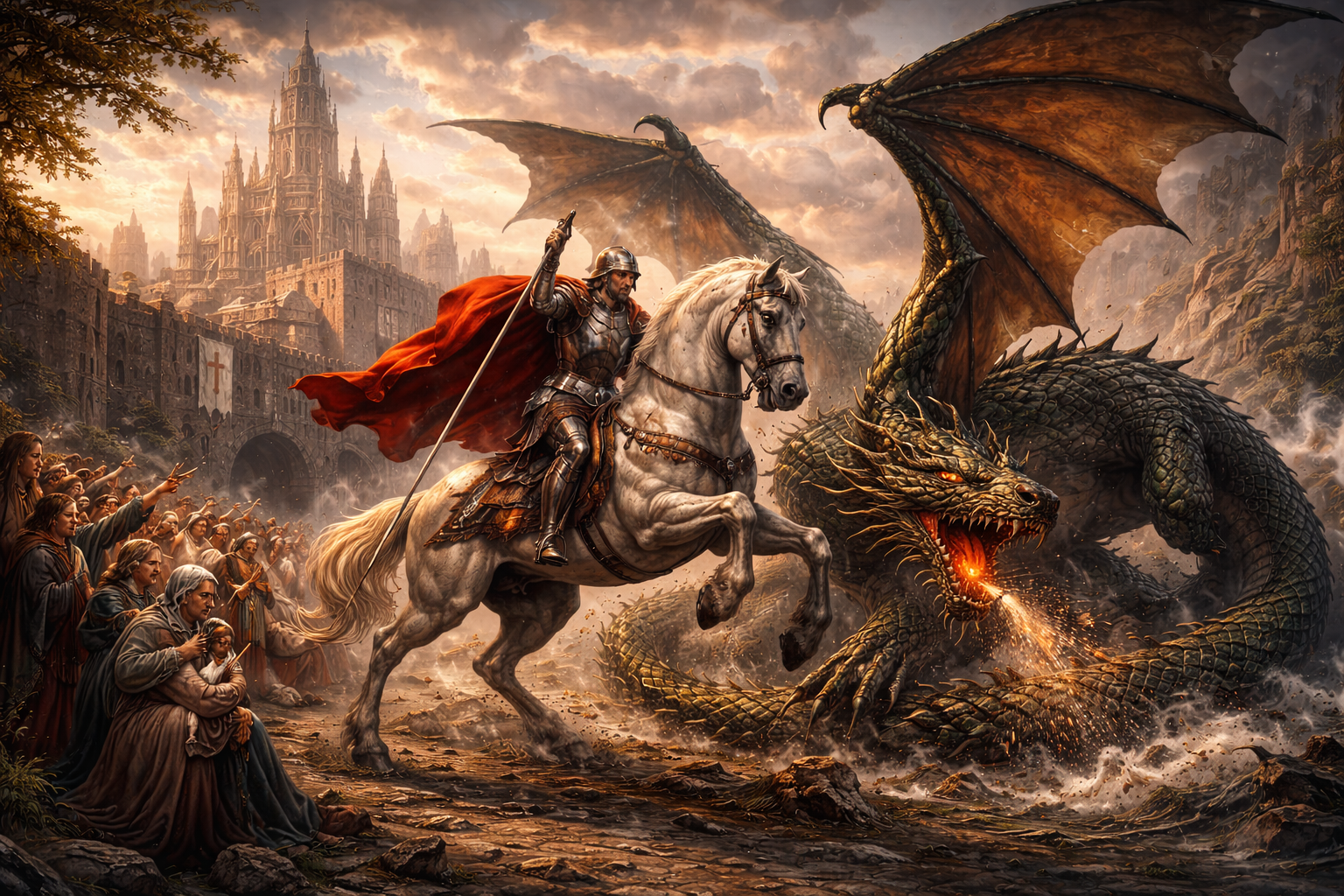
👁️ 597 viewsDragons, Part 4: Saints, Serpents, and the Invention of Evil
Christianity did not erase dragons—it transformed them. Once cosmic forces, they became moral enemies, symbols of sin to be slain in public.

👁️ 89 viewsThe Onboarding Cycle at a Corporate Tech Company
Every employee joins a tech company with hope, confidence, and a fresh laptop. Then come the acronyms, reorganizations, slide decks, and the slow realization that “quick sync” never means quick. A humorous and satirical look at the five stages of joining a technology company.

👁️ 83 viewsThe Lost Art of Being Bored
Boredom is not the enemy we think it is. In a world addicted to constant stimulation, the ability to sit with nothing may be the very thing that brings back creativity, clarity, and depth of thought.

👁️ 550 viewsA Forgotten Inscription, A Life Still Unfolding
A forgotten inscription inside an old copy of To Kill a Mockingbird takes me back to August 1995, Chandigarh. I do not remember the moment, but the words remain. A reflection on memory, time, and the quiet questions that stay with us long after their origins fade.
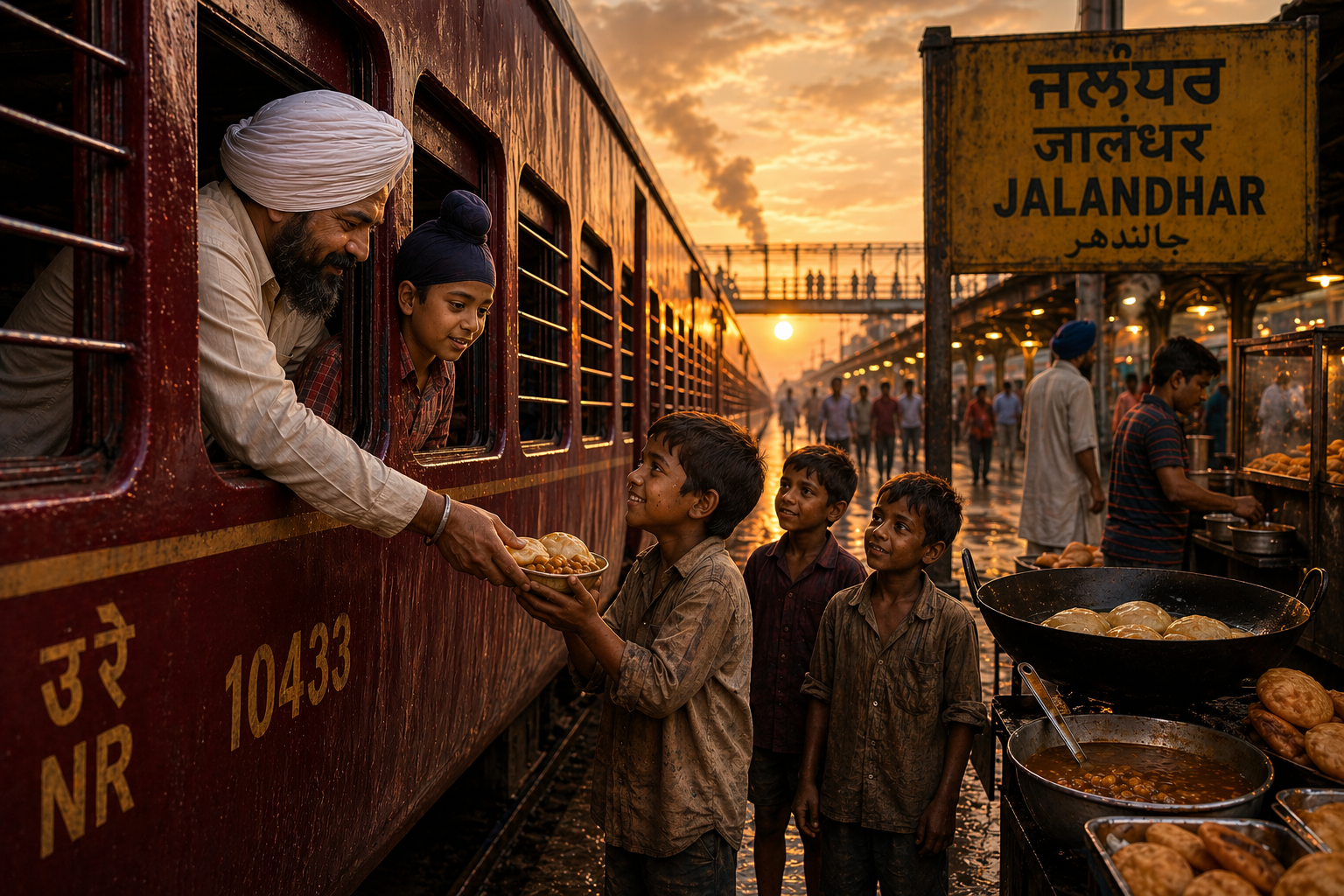
👁️ 470 viewsFive Rupees, Eight Meals, and a Lesson for Life
A boy watches hunger from a train window at Jalandhar station, where hot poori-chholley meet quiet kindness, and a father teaches a lesson that lasts a lifetime.
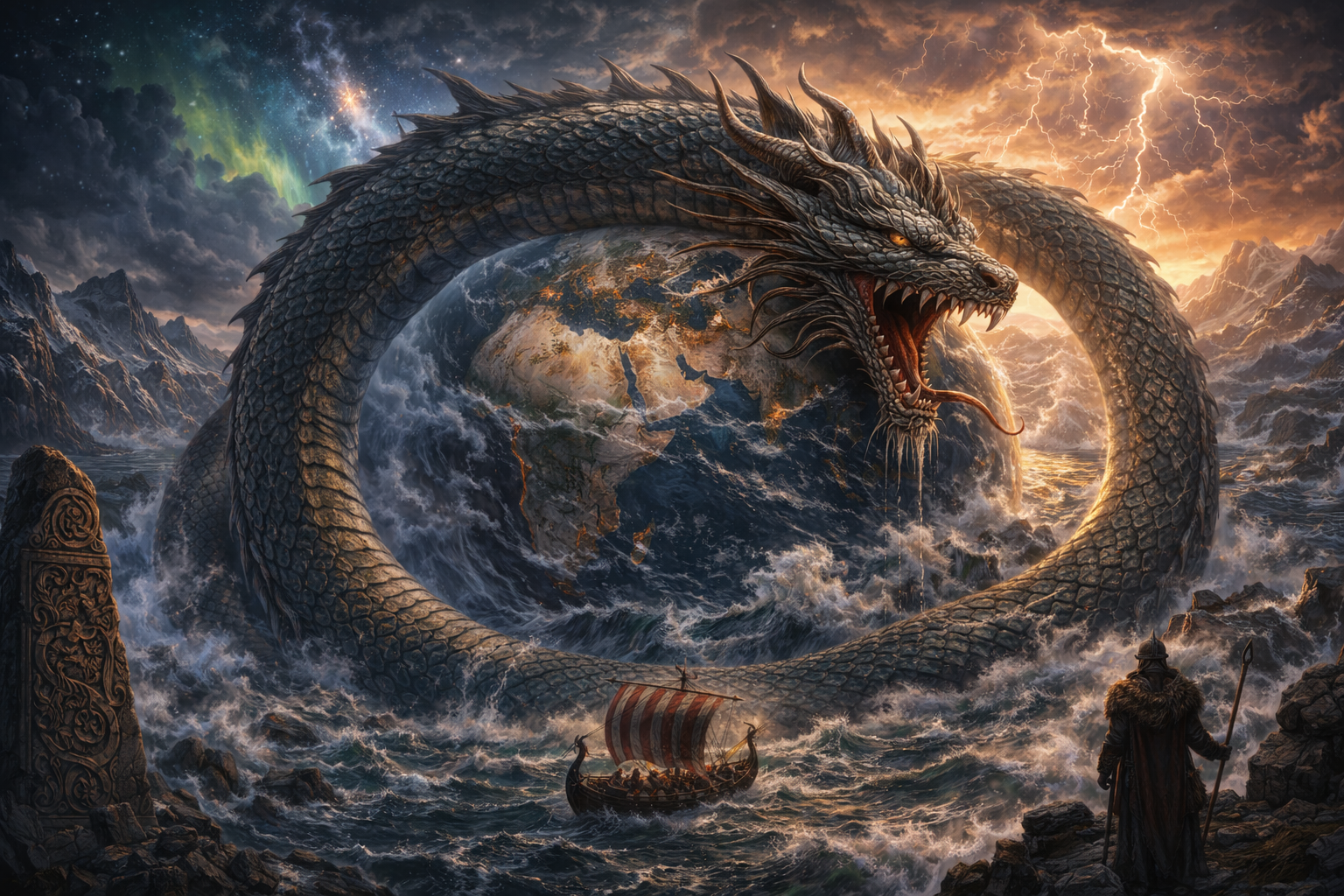
👁️ 489 viewsDragons, Part 3: Coiled Around the World – Wyrms of the Northern Lands
Northern dragons do not rage or negotiate. They endure—coiled around fate, hoards, and endings that cannot be escaped.