


There is a peculiar feeling that comes after finishing Project Hail Mary and watching the adaptation on a big screen. It is not just satisfaction. It is not just awe. It is a quiet restlessness.
You have traveled across space, solved impossible problems, and formed a connection that felt deeply human, even when it was not human at all. And then, suddenly, it ends.
The natural question follows. What next?
Not every science fiction book can recreate that experience. Most should not even try. But there are a handful that echo parts of it. Some capture science. Some capture loneliness. Some capture the wonder. And a few manage to capture the quiet humor of a mind trying to make sense of the impossible.
What follows is not a list. It is a journey across stories that, in different ways, carry forward that same spark.
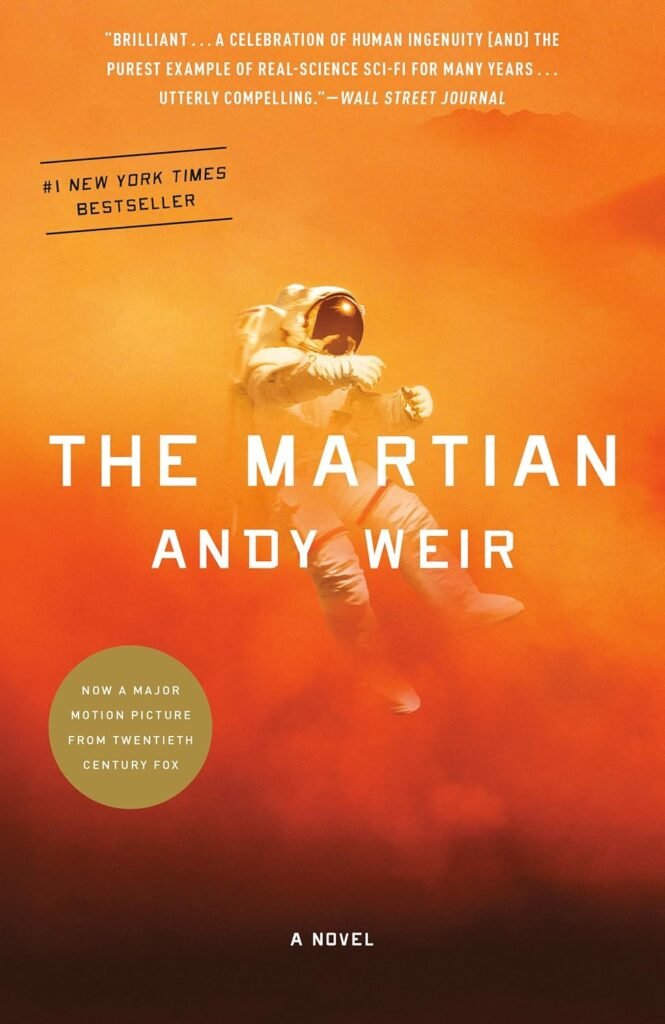
The Martian: Survival, Simplified and Sharpened
If there is an obvious next step, it is The Martian.
The setup is simple. A man is stranded on Mars. No grand mystery. No alien contact. Just a human being against an indifferent environment.
And yet, it works.
What makes this story compelling is not the scale, but the mindset. The relentless problem solving. The refusal to give in. The quiet humor in the face of certain death.
There is something deeply satisfying about watching intelligence applied step by step to survive. Every calculation matters. Every mistake has consequences. And yet, the tone never becomes heavy.
If Project Hail Mary gave you the joy of science as a tool for survival, this is where that joy becomes sharper, more grounded, and perhaps even more personal.
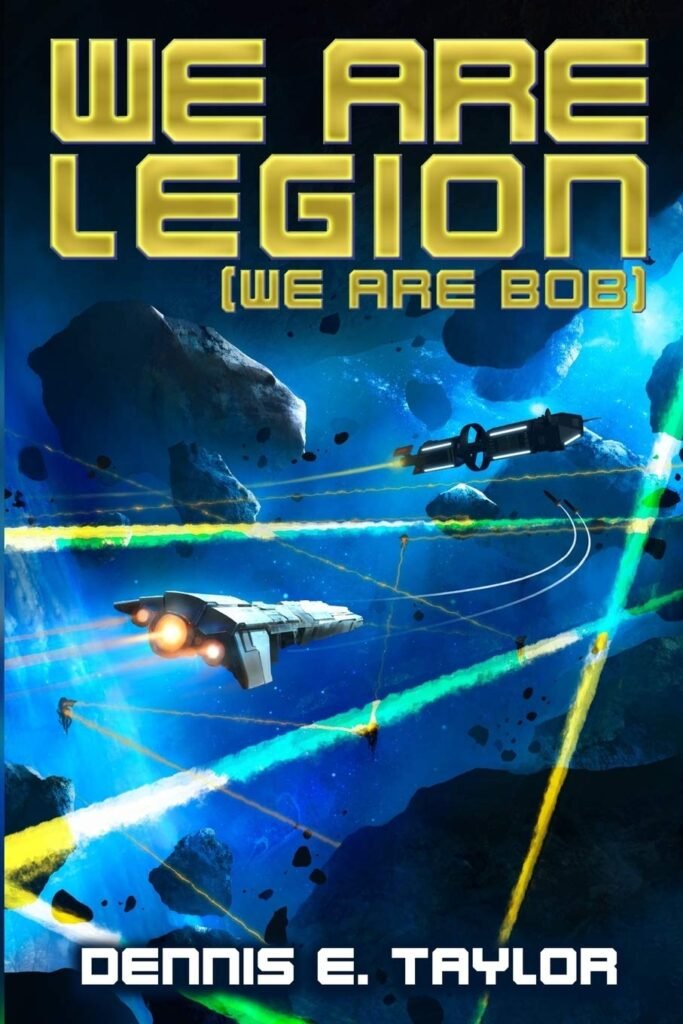
We Are Legion, We Are Bob: Identity in a New Form
Now, take that same problem solving instinct and remove the body.
In We Are Legion, We Are Bob, a man wakes up not as a person, but as a consciousness. Preserved, digitized, and placed into a future he did not choose.
What follows is not just survival. It is adaptation.
The tone here is lighter. More playful. There is humor, there are references, and there is a certain looseness that makes the story easy to move through.
But beneath that, there is a deeper question. What does it mean to be human when you are no longer confined to a human form?
If you enjoyed the conversational, almost casual intelligence of Project Hail Mary, this book carries that forward in a different direction. It is less about isolation, and more about expansion.
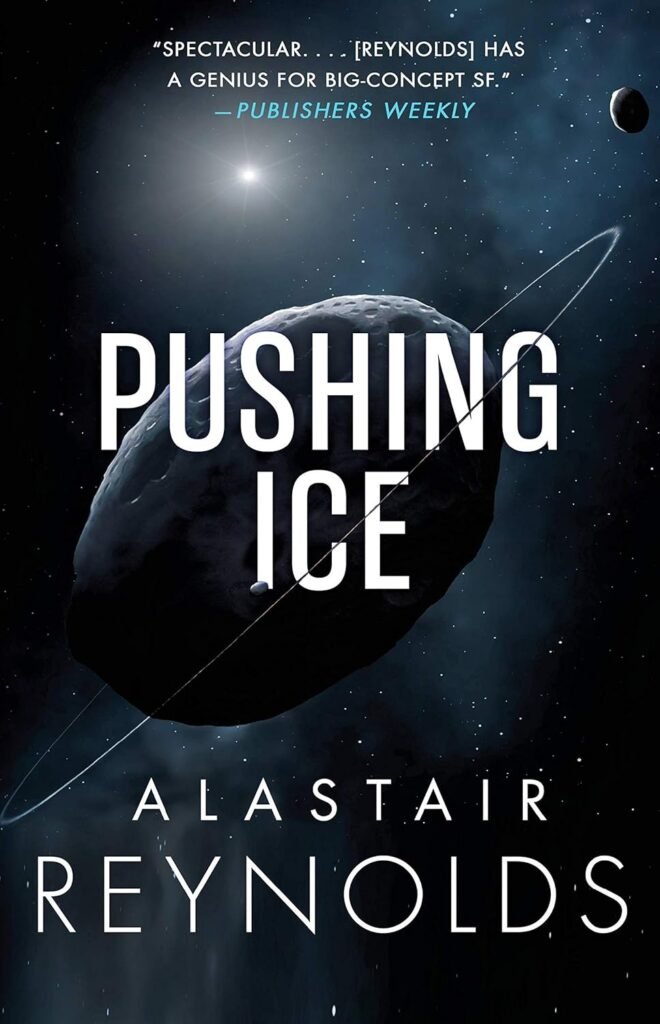
Pushing Ice: When Ordinary People Meet the Extraordinary
Some stories begin with heroes. Others create them.
Pushing Ice belongs to the latter.
A crew of ice miners, doing their routine work, are suddenly pulled into something far beyond their understanding. Something larger, stranger, and far more consequential than anything they signed up for.
What stands out here is the shift. The transition from the known to the unknowable.
There is less humor here. The tone is more serious, more deliberate. But the sense of discovery is strong. The feeling that something vast is unfolding, and that the characters are only beginning to grasp it.
If Project Hail Mary drew you in through mystery, this book leans into that aspect. It asks you to sit with uncertainty and to move forward anyway.
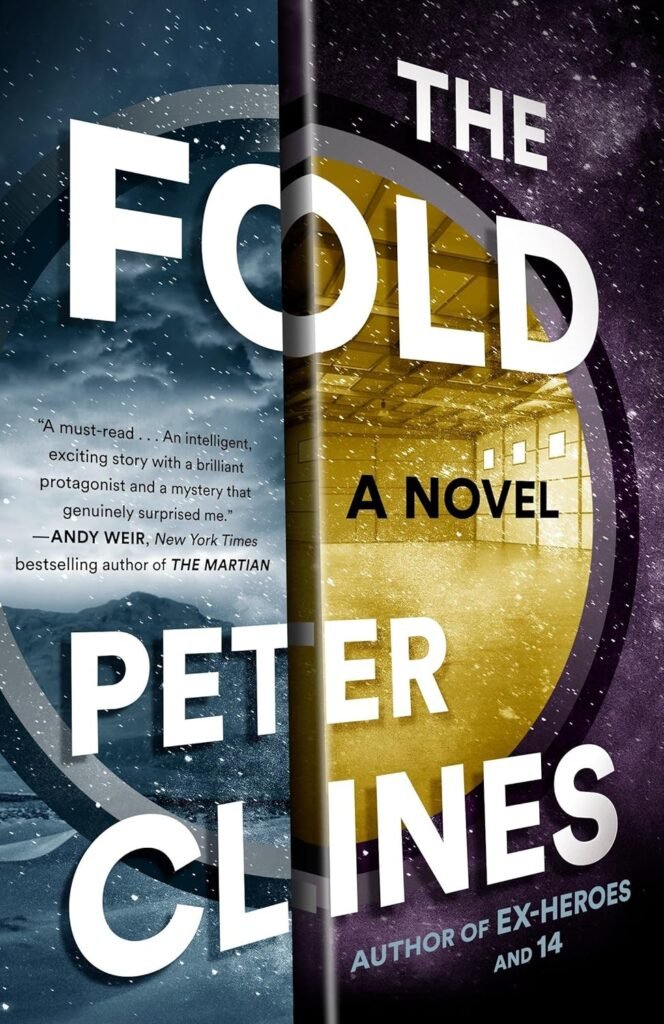
The Fold: The Burden of Intelligence
There is a particular archetype that works well in science fiction. The reluctant genius.
The Fold embraces it fully.
A man who has chosen a quieter life is pulled back into a world of complexity. A problem emerges. A system is not working as expected. And he is one of the few who can understand why.
At its core, this is a mystery. But not the kind driven by action. It is driven by thought.
What makes this compelling is the accessibility. The science is present, but it does not overwhelm. The focus remains on the process of understanding.
And that is where it aligns closely with Project Hail Mary. The satisfaction of watching a mind work. The slow uncovering of truth. The realization that knowledge carries responsibility.
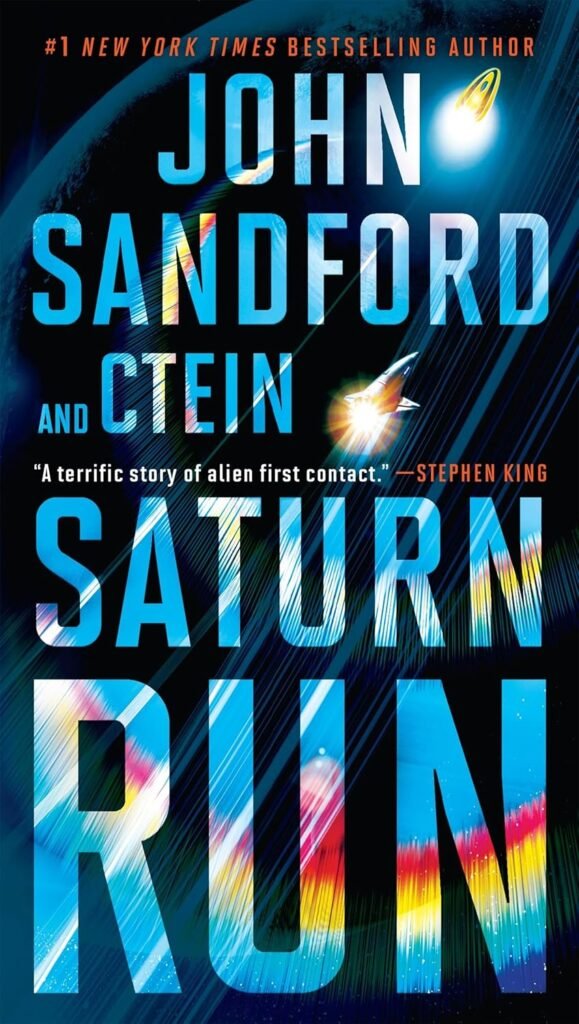
Saturn Run: The Race to the Unknown
Now we widen the scope.
Saturn Run introduces urgency. An object appears. Its movement suggests intelligence. And suddenly, it is not just a mystery. It is a race.
Multiple nations. Competing interests. One destination.
The strength of this book lies in its balance. It brings together hard science, political tension, and human ambition.
The details matter here. Orbital mechanics, propulsion, the realities of space travel. But they serve the story rather than dominate it.
If Project Hail Mary gave you a single-threaded journey, this expands it into a multi-threaded race. The stakes are higher. The perspectives are broader.
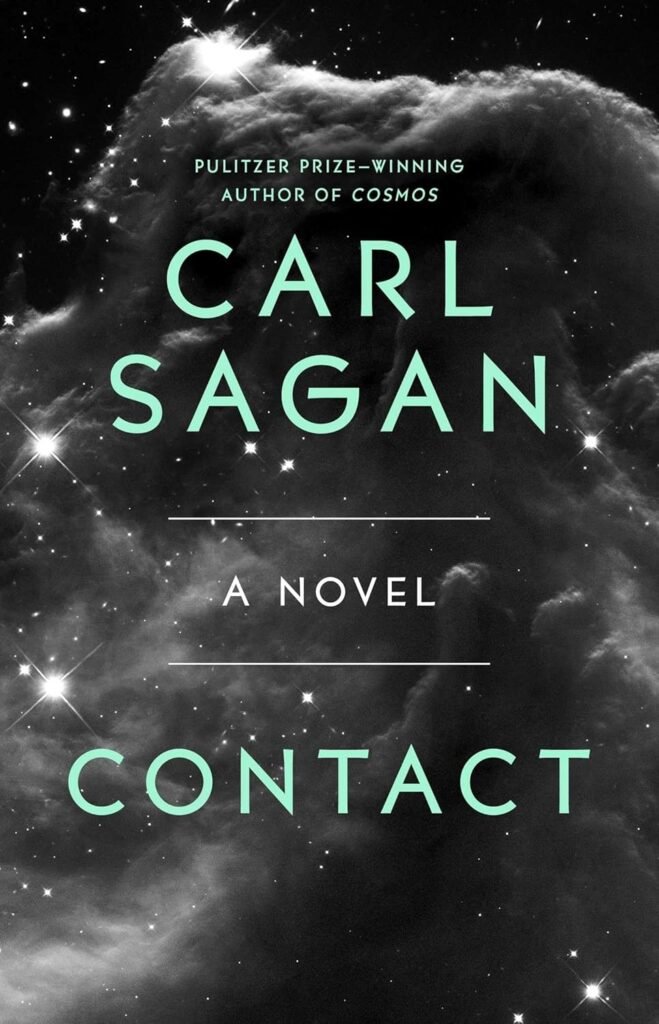
Contact: Science Meets the Unknown
Some stories are about solving problems. Others are about confronting the unknown.
Contact sits firmly in the second category.
At its heart is a scientist. Driven, curious, and deeply committed to understanding the universe. When signs of intelligence emerge, the question is no longer whether we are alone.
It becomes something far more complex.
How do we respond?
The tone here is more serious. More reflective. There is less humor, and more contemplation.
But the core remains familiar. Science as a bridge. Curiosity as a driving force.
If you found yourself drawn to the deeper implications of Project Hail Mary, this is where those ideas are explored with more weight.
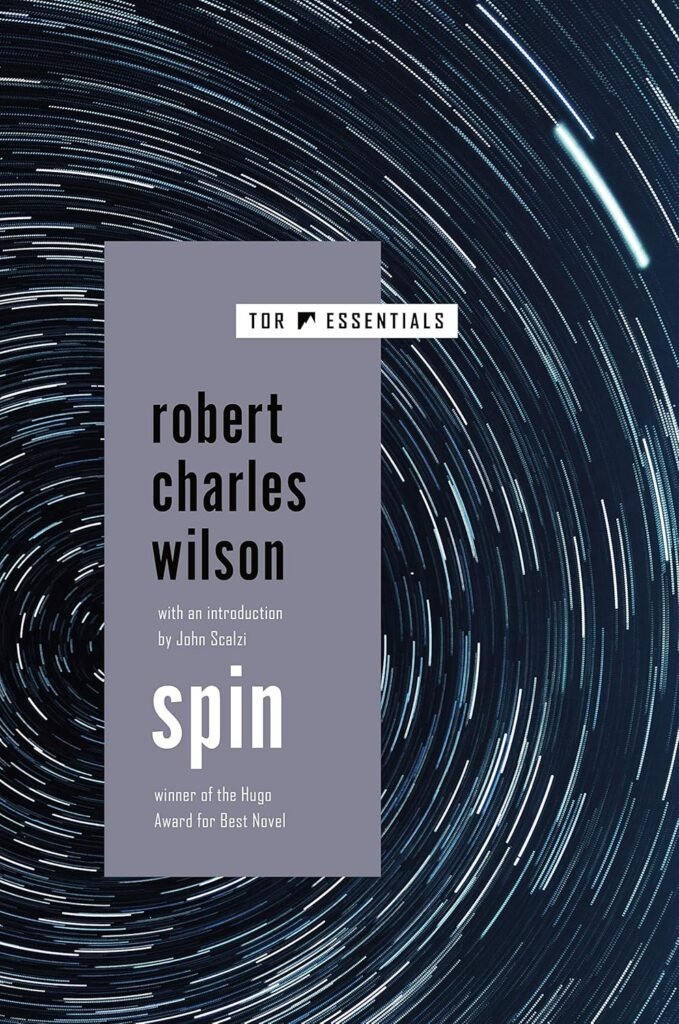
Spin: When the World Changes Overnight
Not all science fiction takes place in space.
Spin begins on Earth. With something simple, and yet deeply unsettling.
The stars disappear.
From that moment, everything changes.
What follows is not just a story of science, but of humanity. Of how people react when the world no longer behaves as expected.
There is a coming-of-age element here. A sense of time passing. Of watching events unfold from a personal perspective while something larger reshapes reality.
This is less about immediate problem solving, and more about long-term impact.
If Project Hail Mary captured your attention through urgency, Spin holds it through evolution.
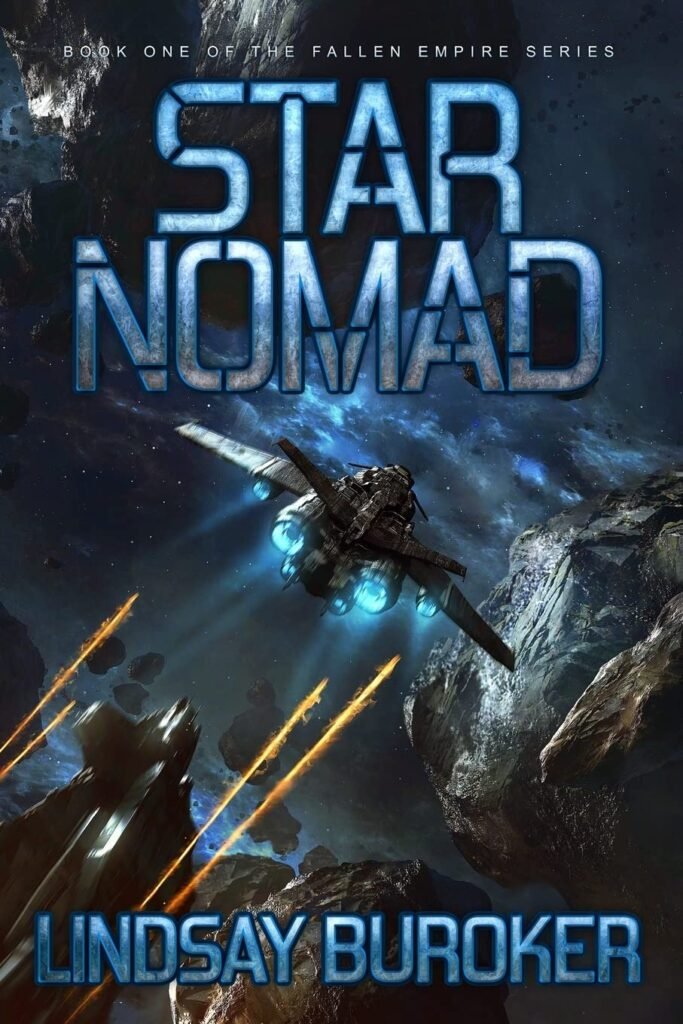
Star Nomad: Finding Connection in Chaos
After several heavy themes, it helps to step into something lighter.
Star Nomad offers that.
A ragtag group. A broken alliance. A world where survival depends as much on relationships as it does on skill.
This is space opera. Wider in scope, looser in tone, and more focused on interaction.
There is humor. There is banter. There is the sense of found family that emerges when people are forced together by circumstance.
If one of your favorite aspects of Project Hail Mary was the connection between characters, this book explores that space more directly.
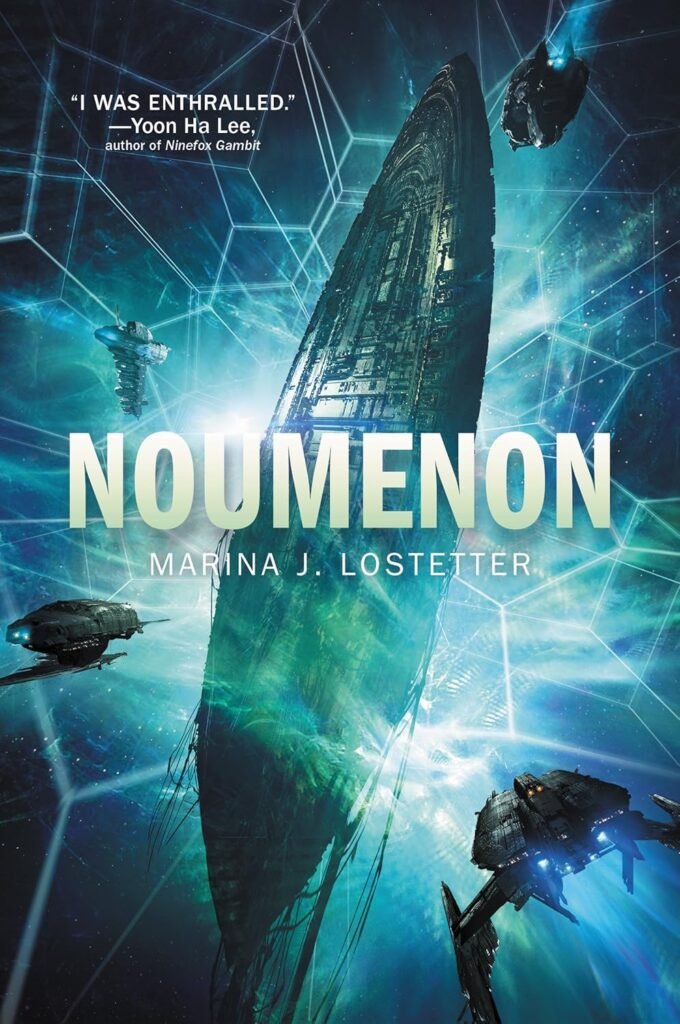
Noumenon: The Long Journey Forward
Some journeys are not meant for a single lifetime.
Noumenon explores what happens when humanity decides to reach beyond its limits. Not through faster travel, but through continuity.
Clones. Generations. The same individuals, living life after life, moving steadily toward a distant goal.
This is an idea-driven story. The premise itself carries the weight.
What happens to identity over time? What changes, and what remains?
There is a quiet ambition here. A willingness to think beyond immediate constraints.
If Project Hail Mary made you think about humanity’s place in the universe, this book extends that thought across generations.
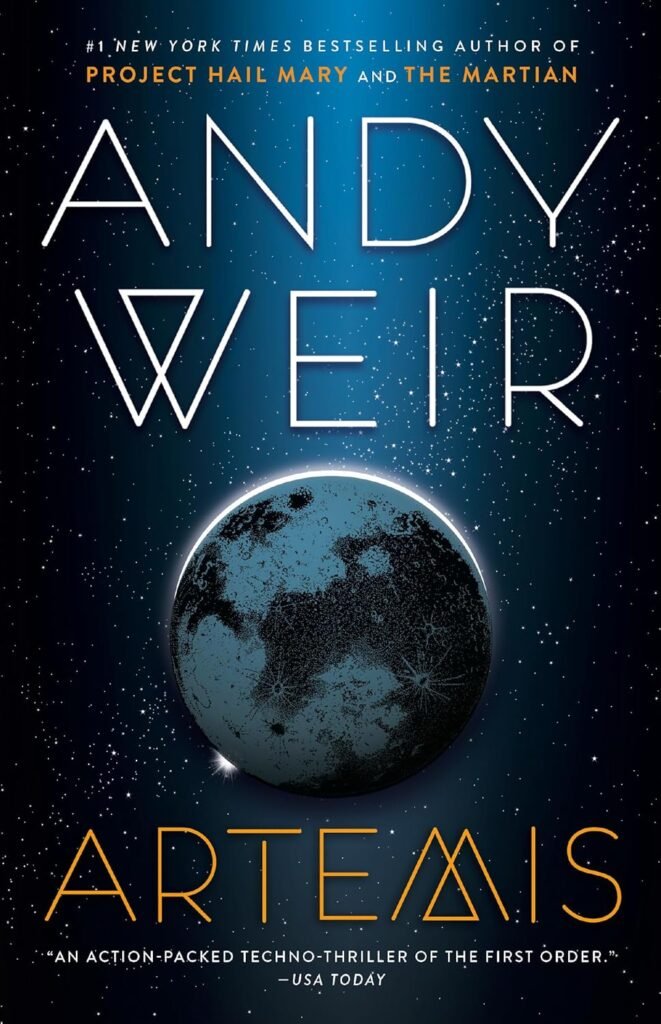
Artemis: The Imperfect Experiment
Not every journey lands perfectly.
Artemis is an interesting case. Set on the Moon, it follows a character involved in smuggling and small-scale operations that grow into something larger.
The familiar elements are there. The snark. The problem solving. The setting in space.
And yet, it does not fully come together.
That does not make it without value.
Sometimes, it is worth reading a book not because it is flawless, but because it explores the same territory from a different angle.
If you are drawn to a particular style of storytelling, it is useful to see both its strengths and its limitations.
Closing Thoughts: The Search Continues
The truth is simple.
There is no perfect replacement for Project Hail Mary.
And that is a good thing.
Because what you are really searching for is not a copy. It is the feeling.
The sense of discovery. The quiet humor. The weight of responsibility. The realization that intelligence, curiosity, and persistence can carry us further than we expect.
Each of these books captures a part of that.
None of them capture all of it.
And perhaps that is the point.
Because the journey after a great book is not about finding the same story again. It is about finding new ways to feel the same wonder.
👁️ 11 views